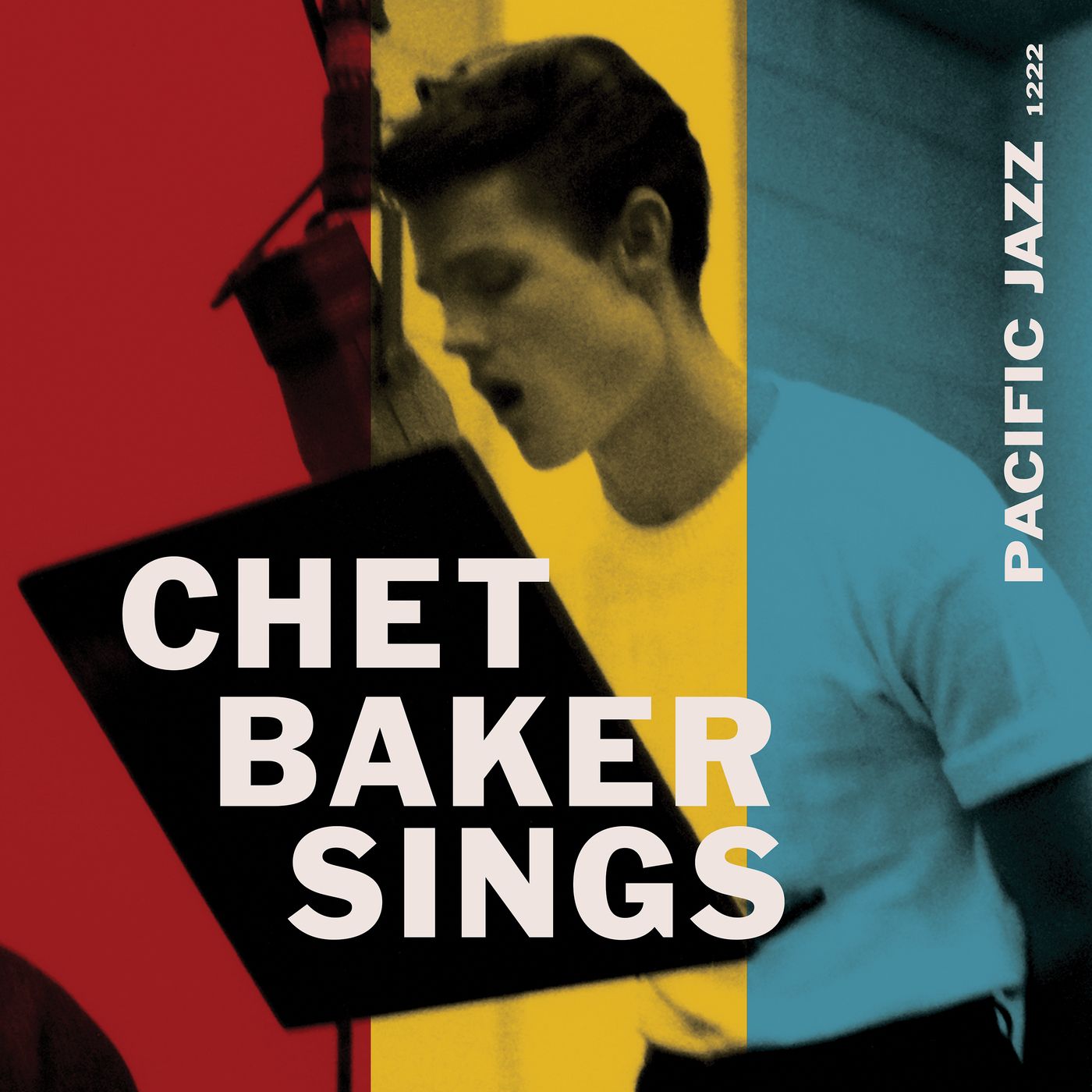
Baker needs no introduction. By 1954, the prolific trumpeter's name had already been institutionalized among contemporary jazz cats when he walked into a studio in L.A. to record the various ballads that would later become "Chet Baker Sings". At the time, he described himself as more of an instrumentalist than a singer, which explains why he almost never sung on record until this album. He was content playing alongside Charlie Parker and Gerry Mulligan's quartet. His mother, though, felt it was wasted potential; she loved his singing voice and asked him for years on end to sing more on his songs. She was right. This album captured a rare sight amongst a then-burgeoning-yet-now-dying breed of musicians. It showed, and continues to show, how Baker, at the height of his instrumental prowess, chose to do less, and consistently so. How he chose to murmur and barely land on the note and vanish from the microphone instead of belting his heart out.
Nowadays, Baker has been reduced to more or less a myth within the majority of music circles: the "James Dean of jazz", a pitiful but beautiful ruin of a bygone golden era. Undoubtedly, his legacy of heroin usage and how it came back to bite his career has overshadowed what remains of his reputation today. For some listeners, keeping that imagery in mind has a way of flattening what happens on this record. This is a great tragedy. Across "That Old Feeling," "My Funny Valentine," and "I Fall in Love Too Easily," Baker demonstrates a chilling ability to sound simultaneously disconnected from yet utterly crushed by both his defeats and his victories in the game of love. Herein lies the fascinating vocal paradox at the heart of the record: whether his flings had just begun, were on the rocks or had ended for years, the singing conveys it identically — with the same weightless, clinical melancholy, as if he has been torn apart all too many times by the despair of love lost and has emptied his emotional reserves, letting his trumpet say what he no longer can. The vocals are relegated to painting a picture of the aftermath.
Lyrically, "But Not For Me" is a cookie-cutter self-initiated rejection mourn-ballad: "I'm not the one for you and you're not the one for me. I guess that's how it goes." However, based solely off of Baker's delivery, you would think he was reading the grocery list left on the fridge by his beloved. There is a stunning lack of grief or resentment. Nor is there any plea to make it work. And yet this detachment is the vessel for emotional devasatation; you get the feeling that keeping this distance was learned the hard way, like a rough stone eroded smooth by slow, relentless streams. A similar effect is present in "I Fall in Love Too Easily." The song acts both as Baker's confession of guilt and a lamenting of his own struggles with love. Yet the lyrics are so softly delivered, like the singer is floating away from his problems. By the same token, the quiet, maybe even reserved tone doubles as recognition of his inability to take romance slow. Almost like saying, "I know it's bad for me, yet I can't help falling for others so fast. I'm trapped in suffering by my own hands, and I can do nothing but calmly retell you my story." Compare this to the era's other great voices: Frank Sinatra was flexibly switching between melodramatic cries of desperation on one record and jubilant celebration on another. Baker's uncompromising undemonstrativeness seems radical.
The trumpet, meanwhile, tells the other half of the story. His solos are economical in length but add a different aural palette to the recording. Take "There Will Never Be Another You," for example. It opens in a rush, each phrase left unfinished, hanging onto the next for resolution. The mix of sustained notes and slurs can only be described as masterful, and the interplay with Russ Freeman's piano feels natural, like two people wordlessly dancing in a dark room.
It's tempting to retroactively look at "Chet Baker Sings" and place the burden of all that came after it on top — drugs, dentures, jail. And indeed, the album does play differently now with the knowledge of what would become of Baker in his later years, like his indifference already hints at the hardships and misery he would one day go through. But perhaps a more human perspective would be this: Baker's apparent apathy may have stemmed from an intimate yet turbulent relationship he had with his own career and life. Maybe he really knew heartbreak in and out, and he knew what it meant to be playing the game of love. He knew that as long as you were in it, it didn't matter whether you won or lost, because one day it would all burn into ashes. Whether this really was what motivated his vocals on this record, we know the songs send a powerful message: joy and somberness in the same key of life, drenched in the same indifference can still sound and feel exceedingly human in the mind of listeners. Few albums get that point across, and even fewer leave as big an impact as this.